1. The problem statement
Electrochemical gas sensors are commonly specified with high sensitivity, reliable low-ppm detection, and good selectivity. On paper, these characteristics appear more than sufficient for industrial safety applications.
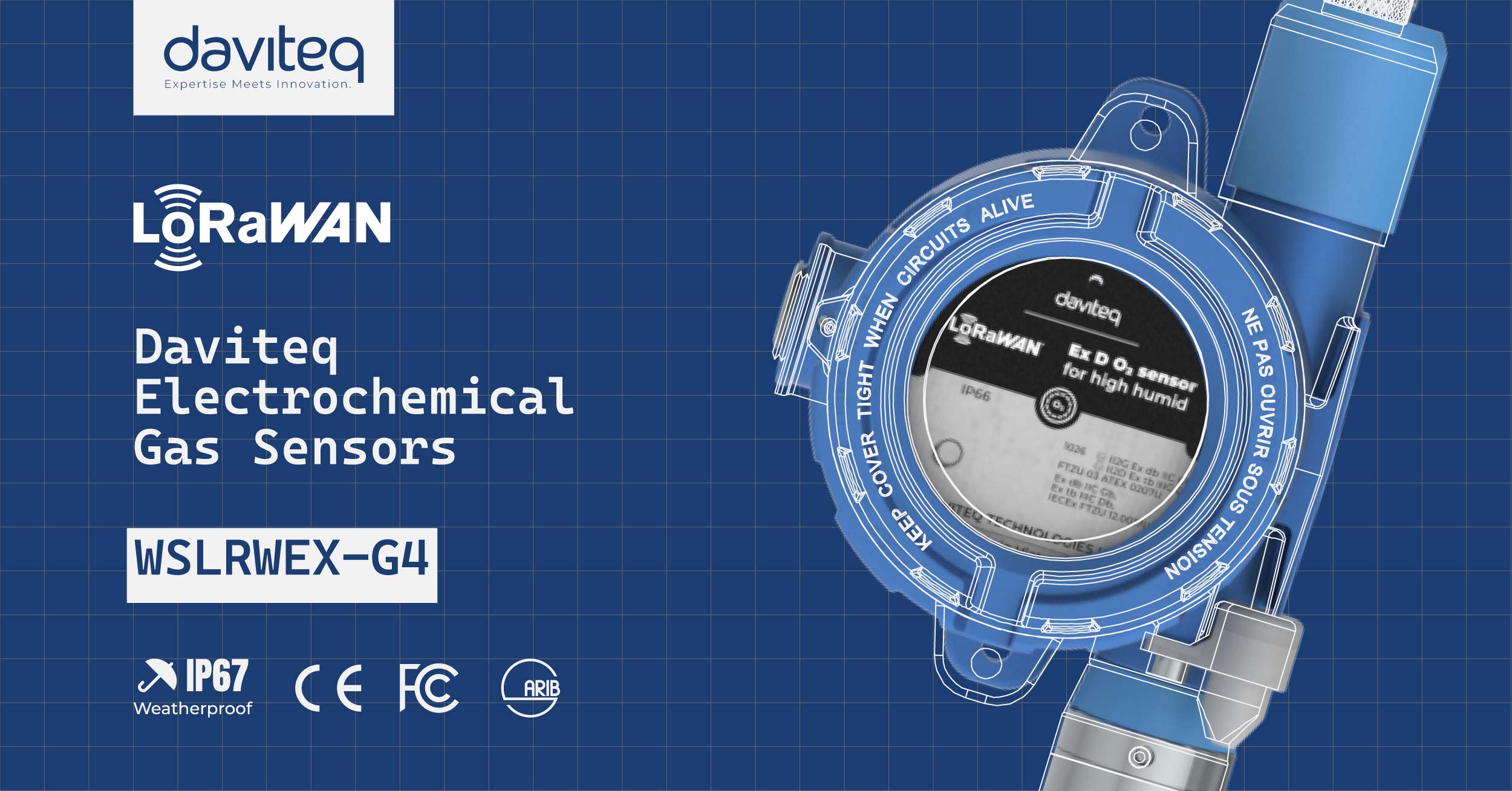
Yet in real-world deployments—especially in industrial or hazardous environments—gas monitoring systems often fail to meet these expectations.
2. The sensor is rarely the root cause
Based on field experience, the electrochemical sensing element itself is seldom the main issue. Instead, performance problems usually arise from system-level integration.
In other words:
A high-quality electrochemical sensor does not automatically result in a reliable gas monitoring system.
3. Common system-level failure points
Typical contributors to degraded field performance include:
- Poor transimpedance amplifier (TIA) design, leading to noise at very low signal levels
- Unstable reference electrode control, causing long-term drift
- Inadequate power management in battery-powered deployments
- Environmental stress factors such as temperature, humidity, and vibration
- Data transmission limitations, whether wired or wireless, affecting alarm reliability
These factors rarely appear in datasheets, yet they often define real-world system behavior.
4. Rethinking how gas monitoring solutions are evaluated
Rather than focusing solely on sensor specifications, system designers may need to consider broader questions:
- How is signal stability maintained over time?
- How does the system respond to environmental changes?
- How is sensor data converted into actionable and reliable safety alarms?
For those interested in a deeper technical overview of electrochemical gas sensor principles and system-level considerations, this article provides additional background reading: